
Některé evropské občanské iniciativy žádají Evropskou unii, aby vyřešila konkrétní problém. Jiní chtějí změnit způsob, jakým systém funguje.
Organizátoři evropské občanské iniciativy „Už žádné dvojí standardy v oblasti lidských práv“patří jednoznačně do druhé kategorie. Jejich návrh je dalekosáhlý: vyzývají EU, aby v rámci své vnější činnosti se třetími zeměmi zavedla standardizovaný dohled nad lidskými právy ve všech oblastech působnosti Komise a zajistila, aby porušování lidských práv bylo důsledně posuzováno a aby po něm následovala přiměřená opatření.
Jedná se o návrh na změnu pravidel spíše než o reakci na jednu událost. A přestože se organizátoři domnívají, že by to mohlo mít trvalý dopad, zjistili také, že vysvětlit systémovou reformu je mnohem náročnější než vést kampaň za jedno konkrétní téma.
Fórum evropské občanské iniciativy hovořilo s organizátory iniciativy Dorothy Morrisseyovou, Farydou Husseinovou a Joãoem Leitem o realitě vedení této náročné kampaně – co je překvapilo, co by udělali jinak a jak přizpůsobují svůj přístup, přičemž se částečně opírali o rady, které obdrželi od odborníků fóra.

Kampaň zrozená ze sdílených hodnot
Ačkoli tito tři organizátoři pocházejí z různých profesních prostředí, jsou motivováni stejným zájmem: domnívají se, že Evropská unie by měla ve svých vnějších vztazích důsledněji uplatňovat své vlastní zásady v oblasti lidských práv.
Pro portugalského vědce João Leiteho tato iniciativa vyrostla z rostoucího zklamání nad rozdílem mezi hodnotami EU a tím, co viděl v praxi.
Nizozemská státní úřednice a bývalá úřednice EU Faryda Husseinová popisuje podobnou motivaci, která vychází z její profesní zkušenosti.
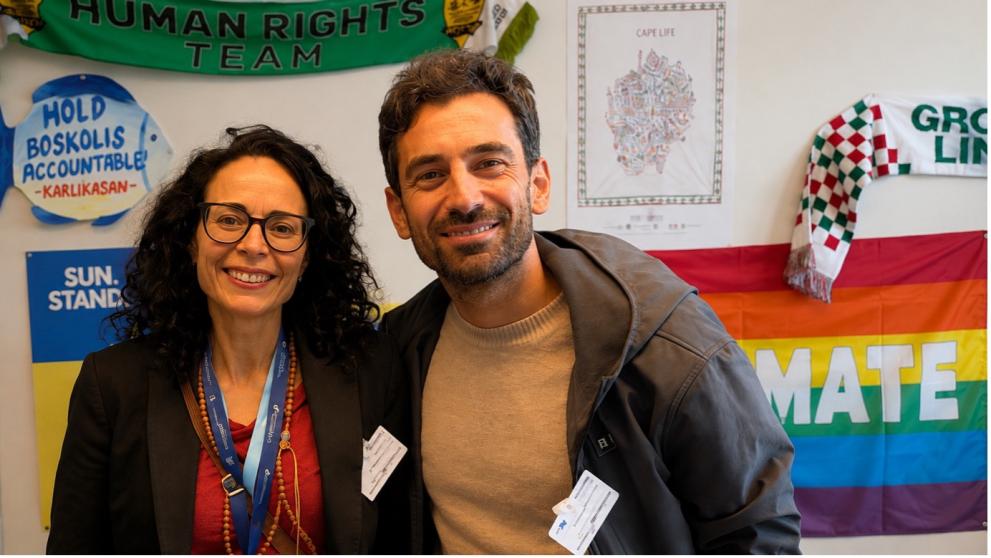
Pro Dorothy Morrisseyovou, která dříve pracovala v oblasti humanitárních záležitostí a rozvoje pro EU, je tato iniciativa v konečném důsledku o ochraně důvěryhodnosti samotné Unie.
Při změně systému je těžší komunikovat
Organizátoři rychle zjistili, že sdělení návrhu, jehož cílem je změnit celý systém, se velmi liší od kampaně zaměřené na jeden konkrétní problém.
(Poznámka redaktora: Iniciativa „Požadovat úplné pozastavení dohody o přidružení mezi EU a Izraelem s ohledem na porušování lidských práv Izraelem“shromáždila za šest měsíců 1 300 129 podpisů.)
Naproti tomu evropská občanská iniciativa „Už žádné dvojí standardy v oblasti lidských práv“ nepožaduje, aby občané podpořili jediné politické rozhodnutí. Namísto toho navrhuje stálý rámec, který by se důsledně vztahoval na všechny budoucí případy.
Ukázalo se, že toto rozlišení je obtížnější komunikovat, než organizátoři očekávali.
João reflektuje, že zpočátku věřili, že síla myšlenky přirozeně přiláká podporu.
Faryda věří, že výzva spočívá v samotné povaze iniciativy.
Jejich zkušenosti vyzdvihují důležité ponaučení pro budoucí organizátory: čím širší reformu navrhujete, tím pečlivěji musíte vysvětlovat, proč je pro každodenní chápání Evropy ze strany občanů důležitá.
Dobrý nápad je jen začátek
Další lekce přišla jako překvapení. Organizátoři předpokládali, že protože věří, že jejich návrh řeší univerzální problém, přirozeně kolem něj vybudují širokou koalici. Místo toho si brzy uvědomili, že budování široké sítě příznivců bude jednou z největších výzev kampaně.
Pozornost médií zůstala omezená. Organizace občanské společnosti se ke kampani automaticky nepřipojily. Sítě, které měly mobilizovat, bylo často obtížnější aktivovat, než se očekávalo.
Dorothy přiznává, že to bylo jedno z největších překvapení kampaně.
Učení a přizpůsobení s podporou Fóra evropské občanské iniciativy
Pomalejší než očekávaný start byl nepochybně zklamáním. Ale místo toho, aby ztráceli srdce nebo tlačili kupředu se stejným přístupem a doufali v to nejlepší, pokračují organizátoři v přizpůsobování kampaně, když se učí, co funguje a co ne. Pokračují v testování nových způsobů, jak vysvětlit své poselství, budovat nová partnerství a oslovit nové publikum – odhodlaní dát kampani nový impuls.
Vzdát se prostě není na pořadu dne. Jak říká Faryda, s charakteristickou sebeironií:
Tento druh odhodlání také formoval způsob, jakým se kampaň vyvíjí. V rámci tohoto širšího úsilí o posílení kampaně povzbudily diskuse s odborníky z Fóra evropské občanské iniciativy tým, aby pracoval na své strategii a účinnosti, zjednodušil své zasílání zpráv, lépe využíval sociální média, prozkoumal spolupráci s influencery a postavil více lidských tváří za to, co bylo dříve prezentováno z velké části jako právní návrh.
Kampaň se nyní více zaměřuje na Instagram, kratší a častější obsah, jakož i na kampaně na univerzitách, se studentskými organizacemi a profesními sítěmi, a zároveň pokračuje v hledání partnerství, která mohou pomoci rozšířit její dosah.
Dorothy říká, že jednou z důležitých realizací bylo, že úspěch závisí méně na velikosti vašeho týmu než na kvalitě vaší komunikační strategie.
Úspěch se neměří jen podpisy
Kampaň stále probíhá a organizátoři jsou ohledně budoucí výzvy realističtí. Nikdo z nich však zahájení iniciativy nelituje.
U Farydy se úspěch neměří pouze tím, zda iniciativa dosáhne jednoho milionu podpisů.
João souhlasí s tím, že účast na evropské občanské iniciativě má hodnotu bez ohledu na konečný výsledek.
Dorothy nabízí možná nejpraktičtější rady budoucím organizátorům:
Pro každého, kdo zvažuje zahájení vlastní evropské občanské iniciativy, jsou jeho zkušenosti včasnou připomínkou toho, že i ta nejsilnější myšlenka potřebuje silnou komunikační strategii a profesionální tým, který za ní stojí. A když se objeví problémy – což se často stává –, nemusí je organizátoři řešit sami. Fórum evropské občanské iniciativy nabízí odborné poradenství, praktické pokyny a příležitosti učit se od organizátorů, kteří jsou ochotni podělit se nejen o své úspěchy, ale také o překážky, s nimiž se na cestě setkávají.
Ohlédneme-li se zpět, João se nyní domnívá, že budoucí organizátoři by měli do partnerství investovat tolik úsilí, kolik vynaloží na vypracování svého návrhu.
Potřebujete podporu ve své kampani? Zeptejte se odborníka je naše bezplatná poradenská služba, kde vám zkušení právníci, specialisté na kampaně a získávání finančních prostředků mohou pomoci překonat problémy ve všech fázích vaší evropské občanské iniciativy.
Další čtení
- Jak uspořádat kampaň – praktické pokyny fóra týkající se plánování, budování týmu, shromažďování podpisů a přístupu k odborné podpoře. Přirozená první zastávka pro organizátory, kteří chtějí přizpůsobit svou strategii.
- Jak rozšířit kampaň evropské občanské iniciativy: poučení od odborníků a úspěšných aktivistů– praktické rady týkající se práce s influencery, vytváření poutavého obsahu a rozšiřování dosahu vaší kampaně – témata, která organizátoři kampaně „Už žádné dvojí standardy v oblasti lidských práv“ nyní aktivně zkoumají.
- Tipy pro skutečné strategie od organizátorů kampaní – úspěšní organizátoři se podělí o to, jak strukturují týmy kampaně, koordinují jednotlivé země a přizpůsobují svou strategii v průběhu kampaně.
- Když kampaně havarují: Krizové taktiky evropské občanské iniciativy, které fungují – každá kampaň čelí neočekávaným neúspěchům. Naučte se praktické způsoby, jak reagovat na výzvy, udržet dynamiku a přizpůsobit se, když se plány změní.
- Jeden milion podpisů není cílová čára: co musí organizátoři evropské občanské iniciativy udělat po úspěchu – i kampaně, které dosáhnou milionu podpisů, čelí novým výzvám. Tento doprovodný článek zkoumá, co přichází po sběru podpisů a jak se organizátoři mohou připravit na další fázi.
Vyjádření uvedená na Fóru evropské občanské iniciativy odrážejí pouze názory jejich autorů a nelze je v žádném případě považovat za vyslovení postoje Evropské komise nebo Evropské unie.

Připojit komentář